

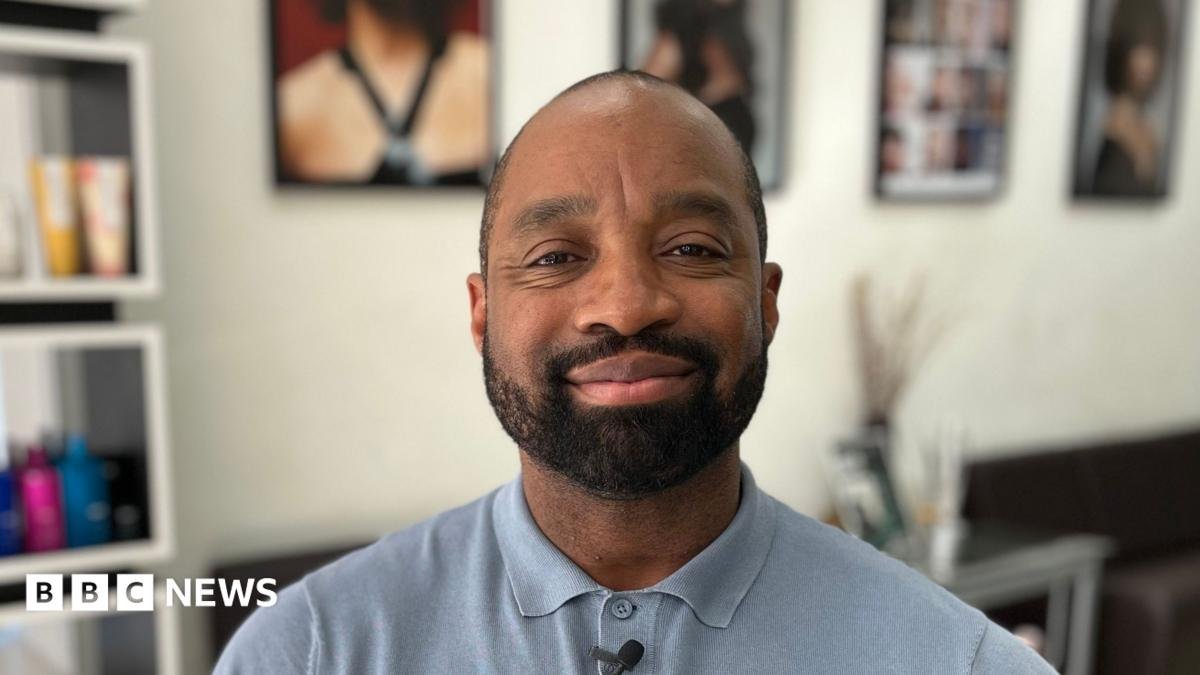
This year alone, Perkins said he had spent about £2,000 on courses and travel costs to support her training.
“It’s upsetting really,” he said. “We help people, we train, we nurture, we mentor. We help the next generation because if we don’t help the next generation, what happens to our future?”
The BHC claimed apprenticeship numbers had fallen sharply and warned the trend could worsen if pressures on employer-run salons continued.
Perkins believes businesses that employ and train staff are increasingly competing against models centred on self-employed workers.
He argues that creates an “unlevel playing field” because traditional salons often shoulder the costs of training future hairdressers.
Hart said the number of salons disappearing from high streets was a concern.
“At the rate it’s going we’re not going to have many salons left open and there’s no-one going to be able to do hair,” she said.
The challenges facing the sector are also worrying some customers.
Research from the British Beauty Council highlighted the role hair and beauty businesses play in supporting local high streets, encouraging spending and providing opportunities for social connection.
Dorothy Senior has visited M&M for hair and beauty treatments for the past 20 years.
She said the salon was about much more than appearances.
“Every time I come in I go home feeling so much better,” she said. “It isn’t just having nails and hair done, it’s the whole package.”
