

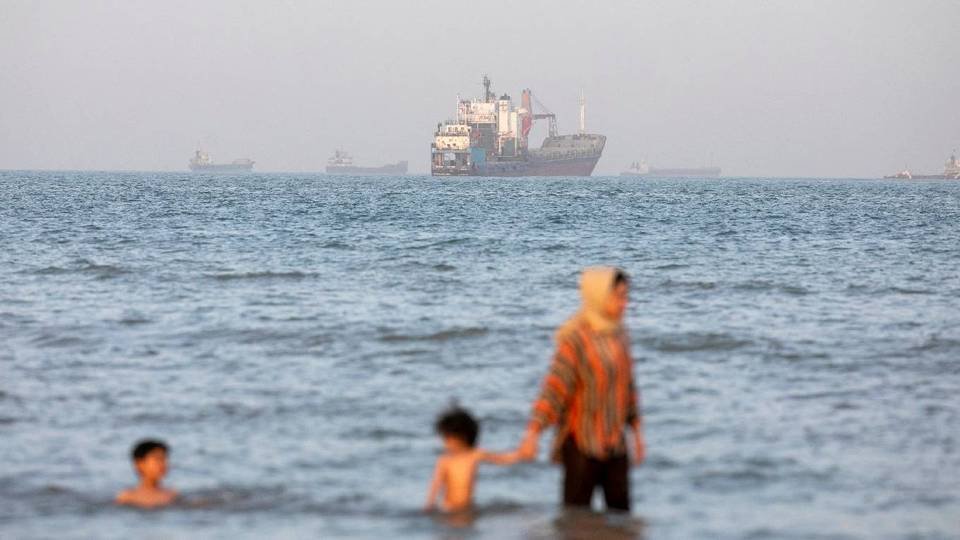
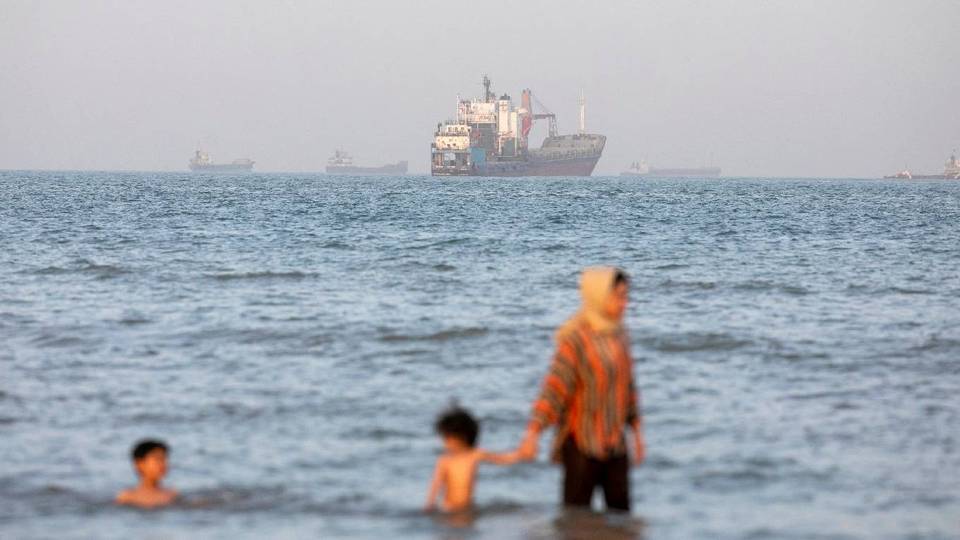
HONG KONG/TOKYO/MADRID—Last year’s tariff turmoil and this year’s Strait of Hormuz disruptions held an important lesson for emerging economies: global trade is reconfiguring, not retreating, and the changes can offer new opportunities. Seizing them, however, requires emerging economies to identify the critical inputs, concentrated suppliers, and exposed routes that could undermine their gains from integration, and then build resilience where it matters most.

New research shows that 23% of global goods imports in 2024 faced at least two of three vulnerabilities: product criticality, supply concentration, and geopolitical distance. Given the wide range of problems, early diagnosis and targeted action are particularly important for emerging economies with limited fiscal space.