

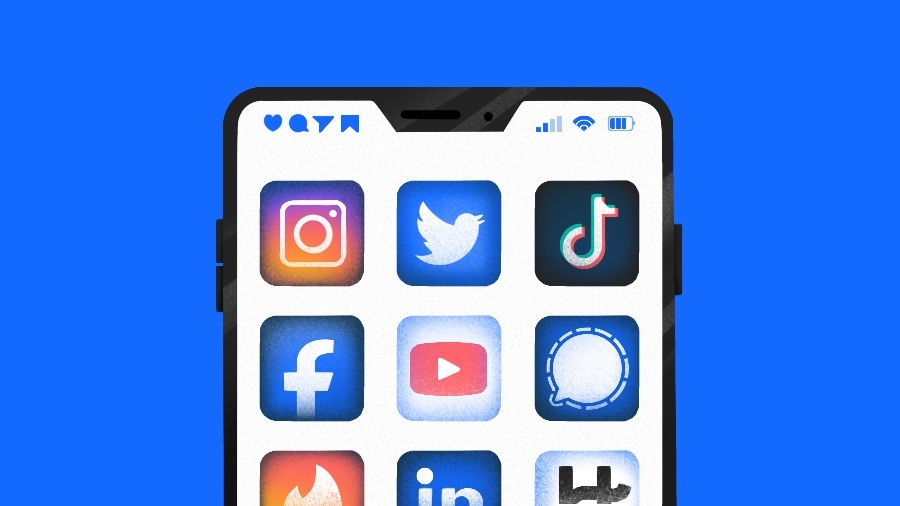
One day, I woke up to a notice that our app had been removed from Apple’s App Store. For the next month or so, we racked our brains trying to find out why. We even reached out to our internal contacts, only for them to tell us that helping us could put their jobs at risk. Nothing seemed to work.
For years, the App Store’s unwritten contract seemed simple. As long as you followed the guidelines, your storefront would remain available. Then a removal notice arrives, and you wonder whether your business can survive.
In 2025, Apple removed 166,899 apps and reported just 423 restorations after appeals. As we learned, being caught in it feels like watching your business collapse, with no guarantee of recovery.
It’s not all bad news, though. We survived, and this episode taught me that platform dependency is ultimately infrastructure risk. As founders, we prepare for cloud outages and payment failures, but losing access to the platform that brings us customers deserves the same attention. Fortunately, we were prepared, and this is how you can be, too.
Understand what a removal can take away

First, prospective customers can no longer download your app. Then, paying subscribers flood support with a more damaging question. “The app is gone. Are you a scam?” The bloodshed continues as existing users replace their phones and can’t reinstall the app, eroding your customer base.
Financially, Apple immediately freezes funds from the previous three months and turns off recurring subscriptions. For a subscription-dependent company, this can send its monthly recurring revenue to zero.
Before spending another cent on acquisition, consider what would happen to those customers if your app disappeared tomorrow. Could they still use your product and continue paying you?
If the answer is no, every new customer makes your business more dependent on a platform decision you cannot control.
Don’t make an appeal your contingency plan
Cal AI, reportedly generating $100,000 daily, was pulled without warning and later reappeared. But its reinstatement tells you little about how long your business might wait.
In Intch’s case, the explanation was so generic it told us nothing. We had 30 days to appeal, but the process ended with a canned rejection.
Your appeal may succeed, but your business must operate while you wait. Preparing in advance lets you keep going, whatever the outcome.
Build the alternative before you need it
Our experience was grueling, but fortunately, two years earlier we had decoupled from the App Store by building a web version and making it our primary payment channel.
It also let us ship updates 10 times a day while escaping Apple’s predatory commissions. We weren’t the only ones. Pavel Durov, founder of Telegram, has also promoted web access to bypass store restrictions and potential censorship.
The lesson is straightforward. Customers need a working alternative before access disappears. Building one only after removal leaves the business exposed while the team races to replace its storefront.
We initially feared the user experience would suffer, but that concern proved unfounded. After the removal, every key metric fully recovered.
If you share this concern, test it while your app is still available to see whether customers can use and pay for the web version before they must rely on it.
Include platform exposure in growth decisions
Most founders see the App Store as a distribution channel, but rarely account for how much control it gives Apple over their business.
Before investing more in growth, examine how much revenue depends on continued access and what would survive a removal. Know how long the company could survive an unanswered appeal.
Investors should ask those questions too, because a growing subscription base deserves closer scrutiny when a single platform decision can interrupt its revenue. That exposure belongs in funding and valuation discussions.
Monopolies act in their interests, and if your business falls outside their vision, you may have little say in a decision that could destroy it.
You cannot control it, but you can decide whether it has the power to end your company. By building an alternative while your app is still available, you’ve made the wisest choice.
Yakov Filippenko is a seasoned entrepreneur with more than 10 years of experience in IT and technologies, as well as scaling businesses internationally. As a product manager at Yandex, he led a team that grew the product’s user base from 500,000 to 1.2 million and secured its entry into the international market. Subsequently, he co-founded SailPlay, which he scaled to 45 countries and eventually exited, after it was acquired by Retail Rocket in 2018. In 2021, Filippenko launched Intch, an AI-powered platform connecting part-time professionals with flexible roles.
Illustration: Dom Guzman
Stay up to date with recent funding rounds, acquisitions, and more with the
Crunchbase Daily.
