

Over the past few decades, we have adopted a new framework for thinking about privacy that centers our experience in the digital realm, conflates privacy with secrecy, and fails to account for the insecurity surveillance generates. As a result, even privacy advocates often undermine their own cause.
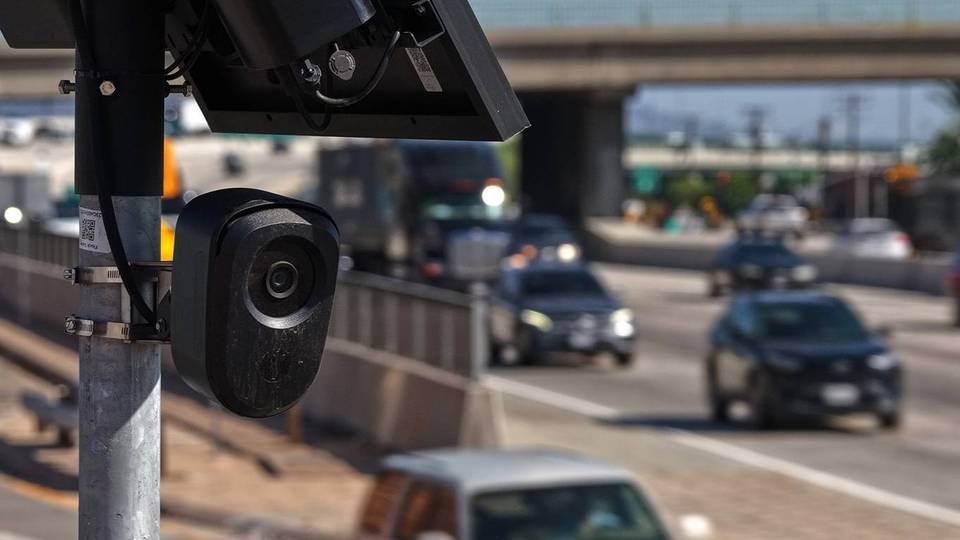
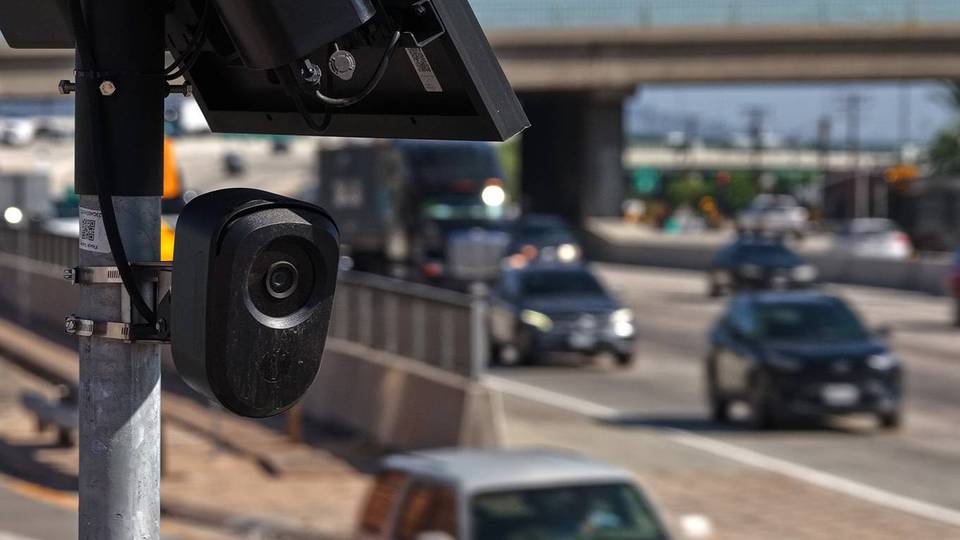
STANFORD—It seems harder than ever to defend our privacy. The most mundane of products, from thermostats to toothbrushes, generate data that permit all sorts of actors to document our every move. People wear “pervert glasses” that make recording video surreptitiously as easy as turning one’s head. Our streets are increasingly lined with automatic license-plate readers (ALPRs), like those supplied by Flock Safety, which track and catalogue the movements of millions of people.
