

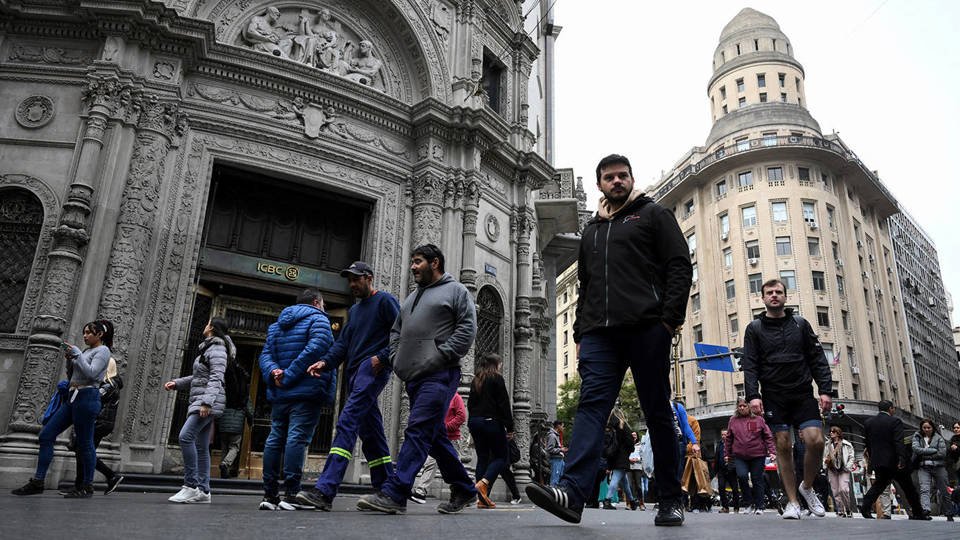
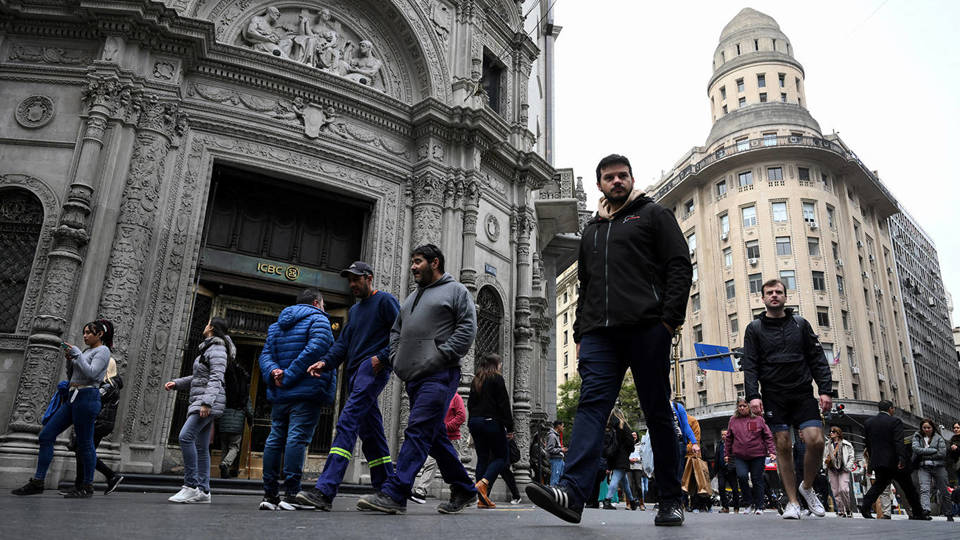
Over the past decade, many Latin American and Caribbean countries internalized IMF-style policy discipline without having active IMF programs, producing fragile stagnation—and an opening for the Fund to swoop back in. This could end up helping the United States reassert its dominance over the region.
BUENOS AIRES—For much of the 2000s, Latin America and the Caribbean (LAC) seemed to have finally distanced itself from the International Monetary Fund. The debt crises of the 1980s and the structural-adjustment programs of the 1990s had left deep socioeconomic scars across the region. The commodity boom that followed, together with the rise of progressive governments and the accumulation of large international reserves, meant that many LAC countries no longer needed IMF lending, which fell to historic lows by the late 2000s. But that era has ended.
