


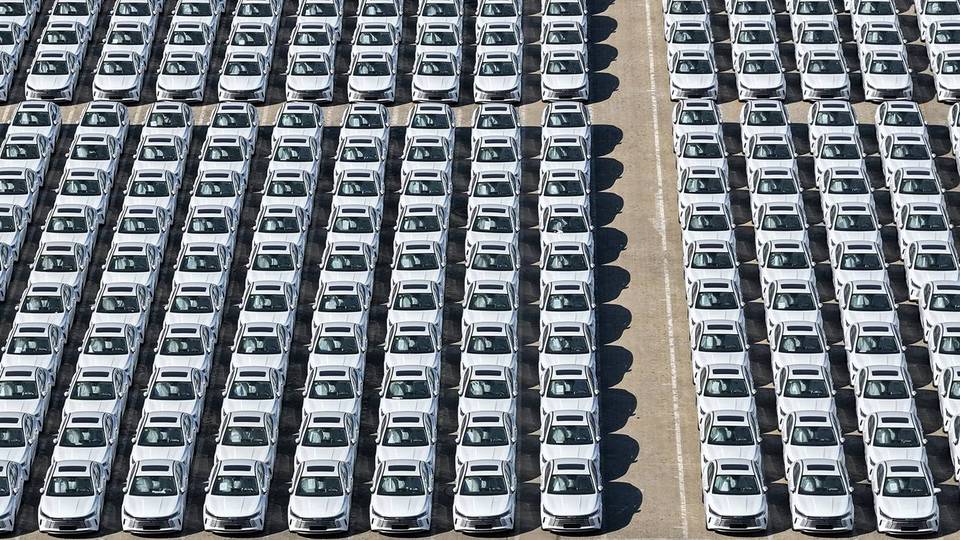
NEW YORK—The European Union and China have reportedly agreed to limit Chinese hybrid-car exports to Europe. According to Bloomberg, the deal would cap exports at about 350,000 vehicles a year, with the cap rising by 6% annually. The restriction would take the form of a voluntary export restraint (VER) by China. Who wins and who loses from such an arrangement, and should VERs serve as a template for future agreements on how to manage trade conflicts?

Governments face pressure to protect domestic industries while preserving access to cheaper foreign goods. The recent EU-China car-export deal offers an uneasy compromise that protects European automakers while keeping Chinese cars available to consumers, making it preferable to prohibitive tariffs.